



















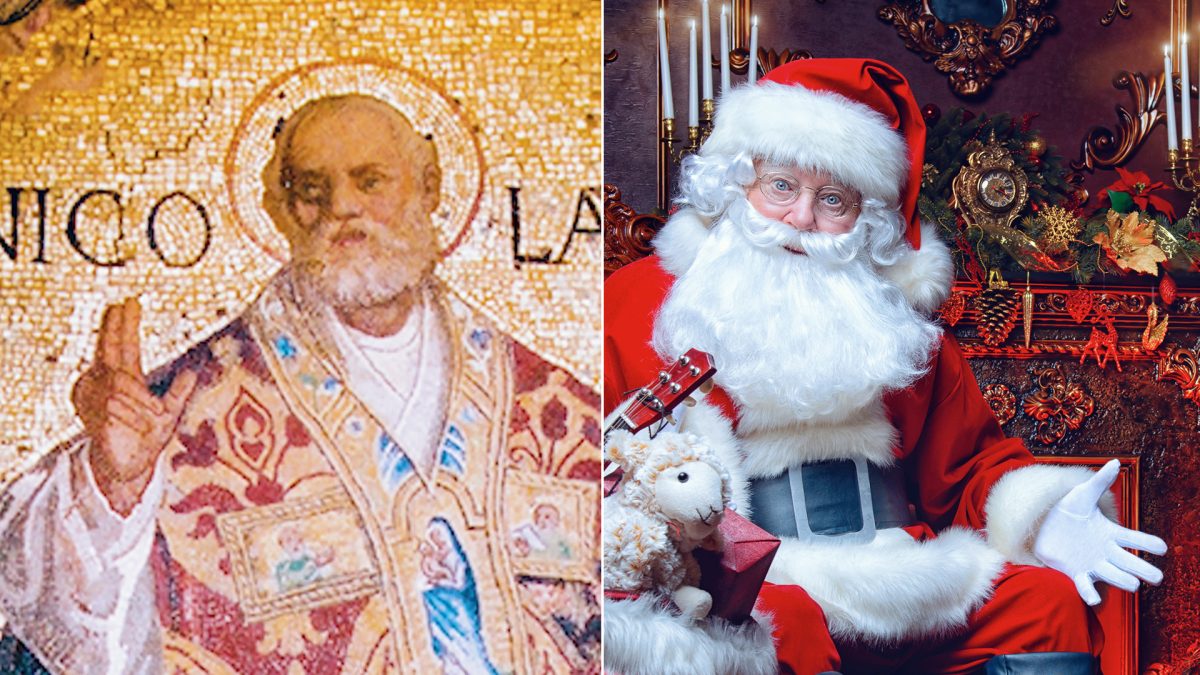
Although the actual birthdate of Jesus is unknown, in the third century, church officials chose the date of an already popular Roman holiday, Saturnalia, as his birthday. Since then it has grown into a holiday celebrated by over 160 countries in the world.
Nowadays, people choose to celebrate Christmas for many reasons. Maybe it’s religion, personal preferences, or family. Many of the Christian faith celebrate Christmas because it’s the anniversary of the birth of Jesus, but there are plenty of people from different cultures and backgrounds — both secular and non-secular — that come together on this day.
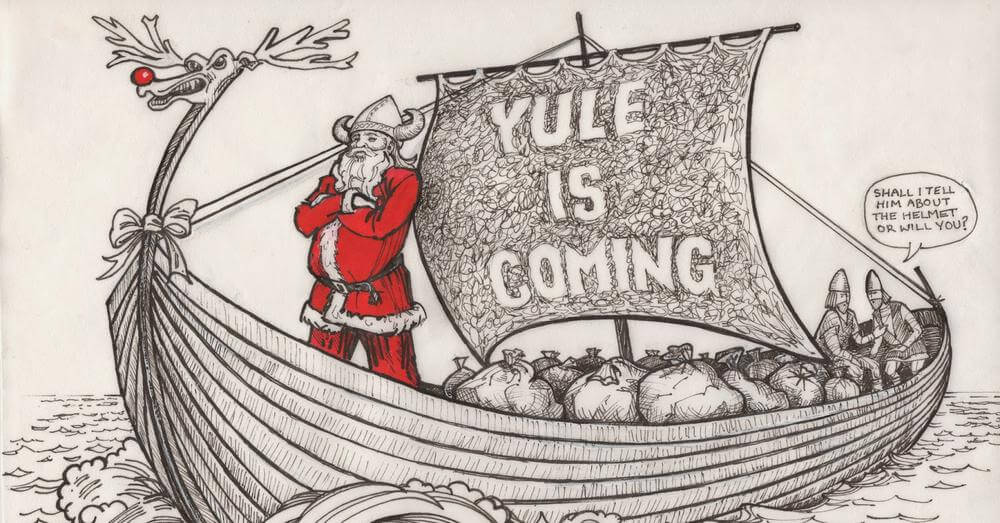
Christmas incorporates traditions from several traditions and many different cultures. Feasting and gift giving comes from Saturnalia, mistletoe from the Vikings, and trees being brought into the home from the Saxons. It also adapts aspects of Norse traditions. They celebrated Yule from December 21 to January 1. Yule is an ancient winter festival to celebrate the Winter Solstice marking the return of sunlight and the shortest day of the year. Fathers and sons would bring large logs home and set them on fire in recognition. When the fire started so did the feast, this feast would last until the logs burned out which could take weeks.
Most Europeans saw the end of December as a perfect time for celebration. By this time most of their cattle would be slaughtered, so they wouldn’t have to feed them during winter, so for many this was the only time of the year when they had an abundance of fresh meat. Wine had usually finished fermenting, so there was plenty to drink as well.
In Germany people honored the god Odin during the winter holiday. Odin is the chief god of Norse mythology. He is the god of war, wisdom, magic, death, and poetry. Germans were terrified of Odin because they believed he made night flights through the sky to observe the people and decide who would perish or prosper. Many European and Scandinavian traditions have been assimilated into Christmas. The only difference is there is no Santa, yet Santa would become the icon of Christmas for nearly two centuries.
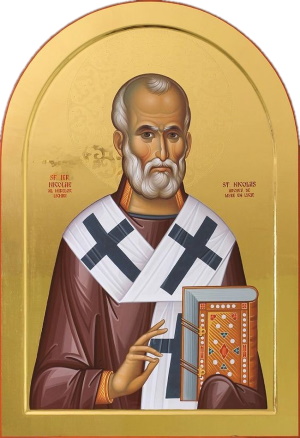
The legend of Santa Claus comes from a monk named Saint Nicholas, who was born in Turkey around A.D. 280. St. Nicholas donated all his inherited wealth and traveled the country helping the sick and poor. He became known as the protector of children and sailors. St. Nicholas entered American culture in the late 18th century in New York. Dutch families assembled to honor the anniversary of the death of “Sint Nikolaas” which is Dutch for saint Nicholas or “Sinter Klaas” which is Santa Claus. In 1822, a Christmas poem was published called “An Account of a Visit from St. Nicholas” or most commonly known as “Twas the Night Before Christmas” by minister Clement Clarke Moore. The poem described Santa Claus as a jolly man who flies from home to home on a sled driven by reindeer to deliver toys. The idea of Santa Claus being a Jolly man in red with a white beard and a sack of toys, the version you are probably most familiar with, would not be popular until 1881 when cartoonist Thomas Nast drew on Moore’s poem to create the image of Old Saint Nick known today.
Over the centuries the holiday has continued to change and evolve. The current holiday in marked by the commercialization of toy sales, card sales, and Coca Cola ads. It’d still about Winter Solstice and Jesus’ birthday, but it also about spending time with family and enjoying the season of giving.